
Written by Marina Jahan · Reviewed by Shamayun Chowdhury, ACMA, MAAT · Published: October 2026 · Last reviewed: October 2026 · Applies to the 2026/27 tax year
Examples of sole trader businesses include electricians, plumbers, mobile hairdressers, cleaners, private tutors, dog walkers, photographers, freelance designers and people who sell online. Each one is owned and run by a single self-employed person with no limited company behind it. The owner keeps the profit and pays Income Tax and National Insurance on it through Self Assessment.
You may already run a small business without ever calling it one. Fixing boilers at the weekend, selling handmade candles on Etsy or walking your neighbours’ dogs for cash can all count as trading in HMRC’s eyes. This guide works through real examples of sole trader businesses across the UK, sector by sector, and shows the registration and tax steps they all share in the 2026/27 tax year.
Whether you are testing a side project or planning to go full time, seeing how other one-person businesses are set up makes it easier to judge where your own idea fits.
- Examples of sole trader businesses range from trades and beauty to tutoring, pet care, food and online selling.
- In law, the owner and the business are the same person, so the owner is personally liable for any business debts.
- Once gross trading income goes over £1,000 in a tax year, you must register for Self Assessment.
- If you started trading in 2025/26, HMRC needs to hear from you by 5 October 2026.
- VAT registration becomes compulsory once taxable turnover passes £90,000 in any rolling 12 months.
- Making Tax Digital for Income Tax applies from 6 April 2027 if your qualifying income was over £30,000 in 2025/26.
- What counts as a sole trader business?
- Examples of sole trader businesses by sector
- Examples of sole trader businesses you can run from home
- Is my idea a sole trader business? A quick checklist
- What every sole trader must do with HMRC
- Two sole trader examples, with numbers
- When should a sole trader become a limited company?
- Common mistakes with sole trader businesses
- FAQs: sole trader examples answered
- Final verdict
What Counts as a Sole Trader Business?
A sole trader business is any trade that one person owns and runs, either in their own name or under a trading name, without setting up a company. GOV.UK calls it the simplest structure to start: you are self-employed, you make every decision and you keep whatever profit is left after tax.
There is no separate legal entity. Because the person and the business are one and the same, sole traders do not register at Companies House, and any debts the business builds up are personal debts.
Examples of a sole trader: what they all have in common
- One owner who carries the risk and takes the profit.
- Income earned by selling goods or services to customers, not wages from an employer.
- Profits reported on a Self Assessment tax return every year.
- Income Tax and National Insurance worked out on profit, not on turnover.
- Unlimited personal liability for anything the business owes.
That shared core is what links very different sole trader examples. A self-employed electrician and a freelance copywriter spend their days doing completely different work, yet HMRC treats both in exactly the same way. So any sole trader example you read about below follows the same basic rulebook.
Sole trader businesses vs hobbies and one-off sales
Not every bit of extra cash turns you into a business. Clearing out your wardrobe on Vinted is normally just selling personal belongings. Buying stock to resell at a profit, making items to sell, or offering a paid service on a regular basis looks far more like trading.
The trading allowance gives you some breathing space. The first £1,000 of gross trading income in a tax year is tax-free, and you do not need to register while you stay under it. Go over £1,000 and you will need to tell HMRC.
Examples of Sole Trader Businesses by Sector
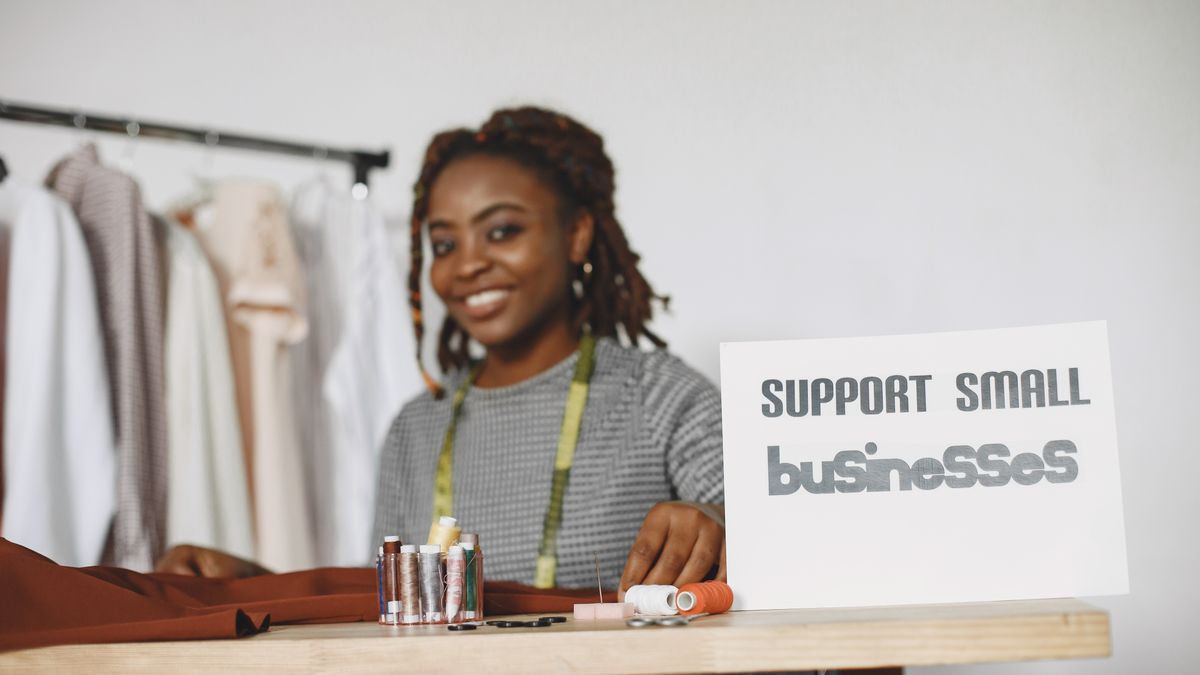
Most UK businesses with a single owner start out this way, so sole trader business examples turn up in almost every industry. The table below groups more than 25 common examples of sole traders and shows the one rule in each sector that new owners most often overlook.
| Sector | Sole trader examples | Key rule to check |
|---|---|---|
| Trades and construction | Electrician, plumber, painter and decorator, joiner | CIS deductions; Gas Safe registration for gas work |
| Beauty and fitness | Mobile hairdresser, nail technician, massage therapist, personal trainer | Council licence for some treatments; insurance |
| Creative and freelance | Graphic designer, photographer, copywriter, web developer | Employment status if one client dominates |
| Home and care services | Cleaner, gardener, handyperson, childminder | Ofsted registration for childminders |
| Tutoring and instruction | Private tutor, music teacher, driving instructor | DBS check for work with children; ADI licence for driving |
| Food | Street food trader, home baker | Food business registration with the council |
| Pet services | Dog walker, dog groomer, home boarder | Animal activity licence for boarding |
| Transport and delivery | Delivery rider, private hire driver | Private hire licence from the council |
None of these licences changes how examples of sole trader businesses are taxed. Every business in the table still registers for Self Assessment once trading income tops £1,000, and still pays tax on profit. GOV.UK’s licence finder shows what your council needs before you open.
Trades and construction
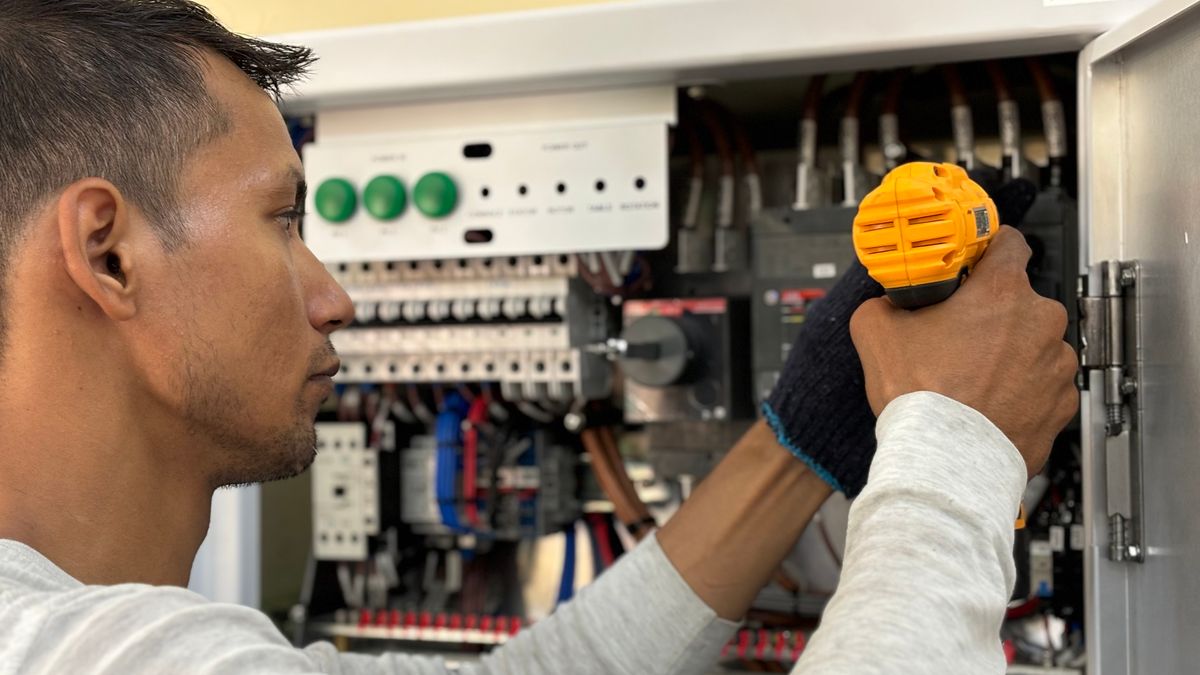
Electricians, plumbers and decorators are the most familiar examples of sole trader businesses. Many work through main contractors under the Construction Industry Scheme. A contractor deducts 20% from a registered subcontractor’s pay, or 30% if they are not registered, and those deductions count towards the year’s tax bill. Our page on accountants for plumbers and tradespeople explains how to reclaim any overpayment.
Beauty, fitness and wellness
Mobile hairdressers, nail technicians and personal trainers often start with a kit bag and a phone. The costs to track are products, travel between clients and insurance. Some councils license treatments such as massage or skin piercing, so check before you take bookings. Our guide for hair, beauty and wellness professionals covers this sector in more depth.
Creative and freelance work
Designers, photographers, writers and developers sell their skills project by project. Trade examples: sole traders in this group should watch for one client taking most of their time on fixed hours, as that can look like employment. Our article on the difference between freelance and self-employed unpacks the labels.
Care, cleaning, tutoring and pets
Cleaners, gardeners, tutors and dog walkers usually trade locally and build on word of mouth. Childminders who look after under-8s for more than two hours a day must register with Ofsted or a childminder agency, and anyone tutoring children should expect parents to ask for a DBS check.
Food and transport
Home bakers and street food traders must register as a food business with their council, which covers home kitchens, vans and market stalls; aim to do it about 28 days before you start. Delivery riders and private hire drivers claim vehicle costs, either as actual costs or through flat mileage rates.
Examples of Sole Trader Businesses You Can Run From Home
Plenty of examples of sole trader businesses need nothing more than a laptop and a spare corner. Online shops, bookkeeping, virtual assistance, consultancy, translation, CV writing and handmade goods sold through Etsy can all be run from a kitchen table. A good example of sole trader working from home is a self-employed bookkeeper who serves ten local clients without ever renting an office.
Selling online and platform reporting
Since 2024, sites such as eBay, Vinted and Airbnb share seller data with HMRC once someone makes at least 30 sales or earns about £1,700 in a year. HMRC has confirmed there is no new tax for online selling. The report simply helps HMRC spot trading income that should already be on a return.
Claiming the cost of working from home
You can claim a share of real household bills, or use HMRC’s flat rates instead. The simplified expenses for working from home are £10 a month for 25 to 50 hours, £18 for 51 to 100 hours and £26 for 101 hours or more. Phone and broadband are claimed separately on actual business use.
Is My Idea a Sole Trader Business? A Quick Checklist
Use these questions to test your own idea against the examples of sole trader businesses above. If you answer yes to most of them, HMRC is likely to see you as trading.
- Do you sell goods or services to make a profit, not just to clear out unwanted items?
- Do you do it regularly, rather than once?
- Do you set your own prices, hours and methods?
- Do you work alone, without a business partner sharing the profit?
- Will gross income go over £1,000 in the tax year?
- Are you happy to be personally responsible for any business debts?
If someone else shares the profits, you are more likely to be a partnership. If one client controls when and how you work, the arrangement may be employment, whatever the contract says.
What Every Sole Trader Must Do With HMRC
Whatever the trade, all examples of sole trader businesses share the same four duties with HMRC.
- Register for Self Assessment and receive your Unique Taxpayer Reference. Our guide shows where to find your UTR once it arrives.
- Keep records of every sale and every business cost from day one.
- File your tax return and pay what you owe by 31 January after the tax year ends.
- Check each year whether VAT or Making Tax Digital now applies to you.
| Date | What happens |
|---|---|
| 5 October 2026 | Register for Self Assessment if you started trading in 2025/26 |
| 31 October 2026 | Paper return deadline for 2025/26 |
| 31 January 2027 | Online return and payment for 2025/26 |
| 6 April 2027 | Making Tax Digital starts if 2025/26 qualifying income was over £30,000 |
| 6 April 2028 | Making Tax Digital starts if 2026/27 qualifying income was over £20,000 |
Telling HMRC after 5 October can lead to a penalty, so register as soon as you know you have crossed £1,000. HMRC never asks for bank details by text or email; always sign in through GOV.UK directly.
Two Sole Trader Examples, With Numbers
These two examples of sole trader businesses show how the tax works in practice. Both scenarios use the 2026/27 figures for England: a £12,570 Personal Allowance, 20% basic rate Income Tax and 6% Class 4 National Insurance on profits above £12,570.
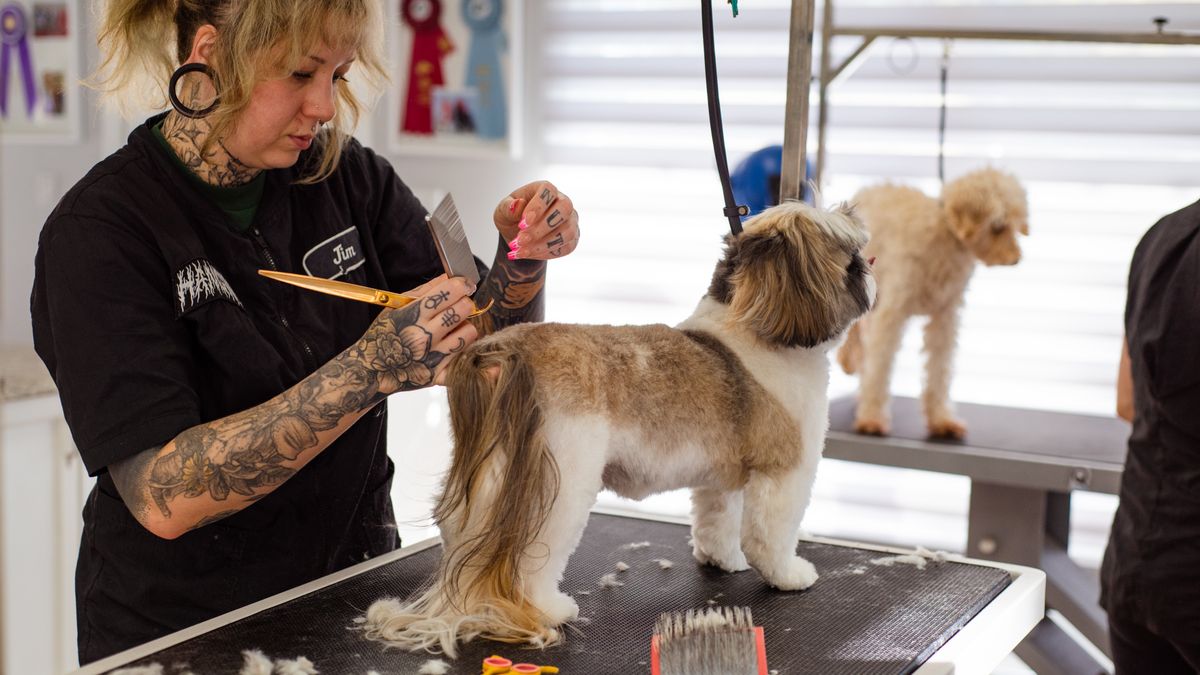
Hannah has no other income. She takes £38,000 from grooming and spends £9,500 on her van, insurance and products, leaving a £28,500 profit. Income Tax is £3,186 (20% of £15,930) and Class 4 National Insurance is £955.80 (6% of £15,930), so she owes about £4,142. Her turnover was also above £30,000 in 2025/26, so Making Tax Digital applies to her from 6 April 2027.
Tom earns a salary through PAYE and makes £4,000 from freelance web design, with £600 of costs. His salary already uses his Personal Allowance and keeps him inside the basic rate band. Claiming the £1,000 trading allowance instead of his actual costs leaves £3,000 taxable, so he pays £600 at 20%. His profit is under £12,570, so there is no Class 4 to pay, but he still has to register because his income passed £1,000.
When Should a Sole Trader Become a Limited Company?
Many examples of sole trader businesses never need to change structure. Others reach a point where a company starts to make sense. The usual signals are profits rising well into the higher-rate band, contracts or clients that will only deal with a limited company, or a level of risk where you want your personal assets kept apart from the business.
| Point | Sole trader | Limited company |
|---|---|---|
| Liability | Unlimited, personal | Usually limited to what you invest |
| Tax on profit | Income Tax and Class 4 NI | Corporation Tax, then tax on salary or dividends |
| Paperwork | One Self Assessment return | Company accounts, CT600 and Companies House filings |
Switching is a big decision with costs on both sides, so speak to an accountant before you act. Eternity Accountants’ comparison of sole trader or limited company sets out the trade-offs in detail.
Common Mistakes With Sole Trader Businesses
These slip-ups turn up across all examples of sole trader businesses, whatever the trade.
- Registering late. People assume a side income is too small to matter. Missing 5 October can bring a penalty; register once income passes £1,000.
- Mixing personal and business money. One account for everything makes records unreliable. A separate account makes every figure easy to prove.
- Skipping licences. Food, childcare, pet boarding and private hire all need approval first. Check the licence finder before your first sale.
- Claiming both the trading allowance and expenses. You choose one or the other for that income, never both.
In practice, the clients we see struggling in year one are rarely in trouble because of their trade. Whether they groom dogs or build websites, the problem is usually a shoebox of receipts and no idea what was earned. Pick a simple app or spreadsheet on day one and update it weekly, and January becomes a routine job.
FAQs: Sole Trader Examples Answered
What are examples of sole trader businesses?
Common examples of sole trader businesses include electricians, plumbers, hairdressers, cleaners, tutors, dog walkers, photographers, freelance designers and online sellers, each run by one self-employed owner.
Can a sole trader have employees?
Yes. A sole trader can take on staff, but must then run payroll and meet employer duties such as National Insurance and workplace pensions.
Can a sole trader run two businesses?
Yes. You report every trade on the same Self Assessment return, with separate figures for each business.
Is a freelancer a sole trader?
Usually, yes. Most freelancers trade as sole traders unless they have set up a limited company.
Can a sole trader use a business name?
Yes. You can trade under your own name or a business name, as long as it does not include “limited” or “Ltd”, is not offensive and does not copy another business’s trade mark.
How much can a sole trader earn before registering with HMRC?
You must register for Self Assessment once gross trading income goes over £1,000 in a tax year.
Final Verdict: Examples of Sole Trader Businesses
From electricians and tutors to Etsy makers and dog groomers, examples of sole trader businesses cover almost every kind of one-person work in the UK. The trade changes, but the duties do not: register once income passes £1,000, keep clean records, file by 31 January and watch the VAT and Making Tax Digital thresholds.
- Compare your idea with the examples of sole trader businesses above, then check what you need with GOV.UK’s guide to setting up as a sole trader.
- See how our sole trader tax return service works and what accountants charge sole traders.
- Get a fixed-fee quote at Get a Quote, call 0116 403 0595 or email info@taxreturnaccountants.uk.
✓ Registration and tax return done for you
✓ From £7.50/month
Why trust this guide
- Technically reviewed by a chartered management accountant (ACMA, MAAT) with more than 15 years’ UK practice experience.
- Every rate, date and threshold checked against GOV.UK and HMRC guidance for 2026/27.
- Written by the team that prepares and files returns for UK clients.
- Last reviewed: October 2026.
- GOV.UK – Set up as a sole trader
- GOV.UK – Tax-free allowances on property and trading income
- GOV.UK – Register for Self Assessment
- GOV.UK – Self Assessment deadlines
- GOV.UK – Income Tax rates and Personal Allowances
- GOV.UK – Self-employed National Insurance rates
- GOV.UK – When to register for VAT
- GOV.UK – Making Tax Digital for Income Tax
- GOV.UK – What you must do as a CIS subcontractor
- GOV.UK – Simplified expenses: working from home
- GOV.UK – Food business registration
- GOV.UK – Become a childminder or nanny
- HMRC – Information for online sellers
- GOV.UK – Licence finder