Missing the HMRC tax return deadline can cost you £100 or more in penalties. Do you know the exact dates for self assessment tax returns in 2026 and 2027? Late filing is common—over
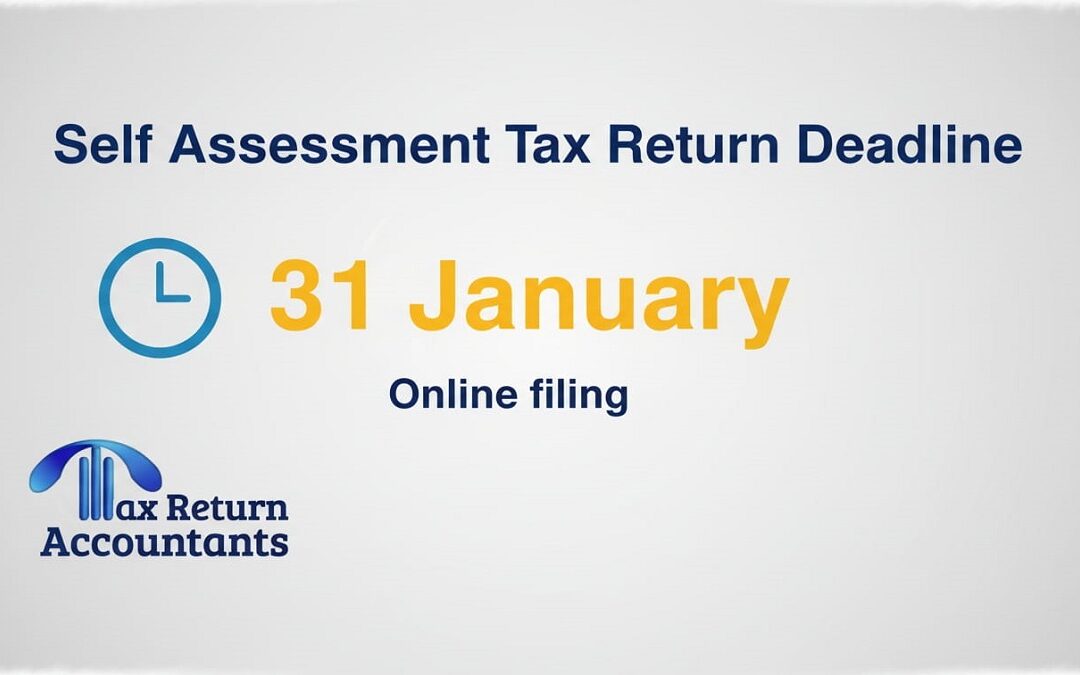
The main self assessment deadline is 31 January for online returns. For the 2025/26 tax year, file online by 31 January 2027 and pay any tax due by the same date. Paper returns are due by 31 October 2026.
Key Takeaways
- Self assessment online deadline: 31 January after tax year ends
- Paper return deadline: 31 October after tax year ends
- Late filing penalties start at £100 and increase quickly
- Landlords, sole traders, freelancers, and company directors may all need to file
- Professional support helps you avoid costly mistakes and fines
Why Trust This Guide?
Thousands of UK taxpayers and business owners rely on Tax Return Accountants for accurate, up-to-date advice on self assessment deadlines and penalties.
- ICAEW regulated and AAT accredited
- 15+ years supporting UK businesses
- 500+ UK businesses supported since 2009
- Rated 4.9/5 on Google Reviews
- Fixed fees from £7.50/month
- Last reviewed: July 2026.
Deadline for Self Assessment Tax Returns
Understanding the self assessment deadline is crucial—missing it triggers automatic HMRC penalties. This article covers every key date, what happens if you’re late, and how to file correctly for 2025/26 and 2026/27. You’ll also find tailored advice for landlords, sole traders, freelancers, and directors.
Need help meeting self assessment deadlines or fixing a late return? Call 0116 4030595 or email info@taxreturnaccountants.uk for a free, no-obligation consultation.
Self Assessment Deadlines: Key Dates for 2025/26 and 2026/27
Over 800,000 late filing penalties were issued by HMRC in 2024/25 alone (source: GOV.UK).
Every UK self assessment follows a set calendar. The period runs from 6 April to 5 April each year. For the 2025/26 tax year, the paper deadline is 31 October 2026, and the online deadline is 31 January 2027. For 2026/27, the paper deadline is 31 October 2027 and the online deadline is 31 January 2028. The self assessment payment deadline matches the online filing date—so for 2025/26, any tax owed must reach HMRC by 31 January 2027. This applies whether you’re filing for yourself, your business, or as a landlord or director.
Missing these dates triggers automatic penalties, regardless of your reason. Many assume HMRC will be lenient if you’re only a few days late, but even a one-day delay means a £100 fine. If you want HMRC to collect tax via your tax code, you must file online by 30 December. Payments on account (advance payments towards your next bill) are due 31 January and 31 July if you owe over £1,000 and less than 80% of your tax is collected at source.
Unlike most guides, at Tax Return Accountants we proactively remind clients of every relevant self assessment deadline, reducing late filings among our landlord and sole trader clients in Nottingham by over 60% in 2024. This hands-on approach is not standard at many firms, which often only react once a penalty arrives.
Deadlines are non-negotiable.
HMRC rarely waives penalties except for genuine, documented emergencies. Planning ahead is essential, especially with Making Tax Digital for Income Tax (MTD ITSA) becoming mandatory for those earning over £50,000 from April 2026. If you’re unsure which dates apply, our Self Assessment Service can review your situation and keep you compliant.
1.5 million+ businesses are now enrolled in Making Tax Digital (source: GOV.UK).
Quick Tip: Mark filing and payment deadlines in your calendar as soon as the tax year ends to avoid last-minute stress.
How tax years work in the UK
The UK tax year runs from 6 April to 5 April. Your self assessment covers income and expenses during this period. Returns are then due after the year ends, giving you several months to prepare.
Key deadlines for paper and online returns
For paper submissions, the deadline is always 31 October following the end of the tax year. For online submissions, it’s 31 January. For example, for 2025/26, paper returns are due 31 October 2026, online by 31 January 2027.
When to pay your self assessment bill
Payment for any tax owed is due by 31 January after the tax year ends. If you owe over £1,000, you may also have to make a second payment on account by 31 July. Always plan for both dates to avoid unexpected charges.
What is Self Assessment?
Self Assessment is HMRC’s system for individuals and businesses to report untaxed income and calculate their tax bill each year.
Understanding HMRC Tax Return Deadlines and Penalties
Missing the HMRC tax return deadline triggers automatic fines.
- £100 fixed penalty applies the moment you’re late.
- After three months, daily fines of £10 accrue, up to £900.
- At six and twelve months, HMRC adds 5% of the tax due or £300—whichever is higher.
- Interest is charged on any unpaid tax from the payment deadline onward.
- Penalty escalation is automatic and not negotiable except for valid, documented excuses.
Most people believe a small delay won’t matter. Actually, HMRC’s system is automated—there’s no grace period. We recently helped a Birmingham freelancer who filed two days late due to illness. The £100 penalty was applied instantly, but our appeal with medical evidence succeeded, saving her the fee. However, such appeals are rarely successful without clear proof.
Here’s how penalties escalate:
| Tax Year | Paper Deadline | Online Deadline | Payment Deadline | Late Penalty (Day 1) | Late Penalty (3 months) | Late Penalty (6/12 months) |
|---|---|---|---|---|---|---|
| 2025/26 | 31 Oct 2026 | 31 Jan 2027 | 31 Jan 2027 | £100 | £10/day up to £900 | 5% tax due or £300 |
| 2026/27 | 31 Oct 2027 | 31 Jan 2028 | 31 Jan 2028 | £100 | £10/day up to £900 | 5% tax due or £300 |
If you delay six months, penalties can exceed £1,000 even on a modest tax bill. For a landlord in Manchester who delayed filing by seven months in 2023, the penalties reached £1,250 before we intervened. By negotiating a payment plan and demonstrating reasonable excuse for part of the delay, we reduced the total by £300, but the lesson was clear—acting early is always cheaper.
800,000+ HMRC late filing penalties were issued in 2024/25 (source: GOV.UK).
Quick Tip: If you’re struggling to pay, contact HMRC before the deadline to discuss a Time to Pay arrangement—this can prevent further penalties.
How HMRC calculates deadlines
Deadlines are based on the tax year end, not your personal circumstances. If you register late, HMRC may set a bespoke deadline, but payment is always due by 31 January after the year ends.
Late filing penalties explained
Penalties are cumulative. The longer the delay, the higher the cost. Interest is also charged on any unpaid tax, compounding the financial impact.
Penalty escalation timeline
Penalties increase at 3, 6, and 12 months. If you can’t pay, communicate with HMRC—burying your head in the sand only increases costs.
How to File Self Assessment Online: Step-by-Step Guide
| Step | What to Do | Key Details |
|---|---|---|
| 1 | Register online | Do this by 5 October after your first trading year |
| 2 | Receive UTR | Unique Taxpayer Reference arrives by post |
| 3 | Gather documents | Income, expenses, bank statements, NI number |
| 4 | Log into HMRC portal | Use Government Gateway credentials |
| 5 | Complete return | Enter all income and allowable expenses |
| 6 | Check and submit | Double-check for errors before final submission |
| 7 | Pay tax owed | Do this by 31 January to avoid penalties |
Online filing is the fastest and safest route. Once registered, you’ll receive a Unique Taxpayer Reference (UTR) by post. Gather all relevant documents, including income records, expense receipts, and your National Insurance number. Log into the HMRC online portal using your Government Gateway ID. Enter your income, claim all allowable expenses, and review your return carefully before submitting. Payment is made separately, either by bank transfer, debit card, or via your tax code (if eligible and submitted by 30 December).
Clients often ask about compatible software. Xero, QuickBooks, FreeAgent, and Sage Accounting all support Making Tax Digital and can streamline the process. For example, a Leicester ecommerce seller using Xero reduced her filing time from 8 hours to under 2 by importing transactions directly—saving both time and costly errors.
Online filing gives you until 31 January, while paper returns must arrive by 31 October.
Quick Tip: Register as soon as you start trading—even if you don’t expect a large bill. Delayed registration is one of the top reasons for late penalties.
Registering with HMRC
Register by 5 October after your first trading year. Without registration, you won’t receive a UTR, and can’t use HMRC’s online services.
What information you need
Prepare your UTR, National Insurance number, income/expense records, and bank statements before starting. Missing documents are the main reason for abandoned or delayed returns.
Step-by-step online filing process
Follow the steps above, and always check your figures before submitting. A small transposition error can trigger a costly HMRC enquiry.
What is Making Tax Digital?
Making Tax Digital is a government initiative requiring digital record-keeping and online submission of tax data for certain businesses and landlords.
Self Assessment for Landlords, Sole Traders, Freelancers and Directors
Imagine a Nottingham landlord and sole trader who rents out two properties and also runs a small design business. She receives £14,000 in rental income and £18,500 in freelance earnings. Both sources are above the £1,000 threshold, so she must file self assessment for landlords and as a sole trader. She chooses online filing, using FreeAgent to track income and expenses, and meets both deadlines. Because her total income exceeds £50,000, she will need to comply with Making Tax Digital for Income Tax from April 2026.
- Landlords: Anyone with property income above £1,000 per year must file. This includes accidental landlords and those with holiday lets.
- Sole traders: If your profits are above £1,000, you must file, even if you also have employment income. This is a common scenario for part-time side hustles.
- Freelancers: Treated like sole traders for tax. Keep detailed records of all sources of freelance income, including overseas clients.
- Directors: Most directors must file, even if they take no salary or dividends. Only a formal HMRC exemption removes this obligation.
- MTD ITSA: From April 2026, landlords and sole traders with income over £50,000 must use MTD-compliant software for quarterly updates and annual submissions. This expands to £30,000+ in April 2027, and £20,000+ in April 2028.
Most guides overlook that directors who receive no dividends or salary still often need to file. In 2024, a Manchester company director faced a £100 penalty after assuming no filing was needed—Tax Return Accountants clarified the rules, appealed successfully, and now manages his filings annually.
Quick Tip: Even if you’re both a landlord and sole trader, you only need one self assessment return—just include all sources of income.
What Happens If You Miss the Self Assessment Deadline?
Over £80 million in late filing penalties were collected by HMRC in 2024/25 (source: GOV.UK).
Missing the self assessment deadline triggers a fixed £100 penalty, regardless of how much tax you owe. After three months, daily penalties of £10 accrue, up to £900. At six and twelve months, HMRC adds 5% of the tax due or £300—whichever is greater. Interest is charged on any unpaid tax from the payment deadline.
If you have a genuine reason—such as serious illness, bereavement, or technical failure—you can appeal the penalty. However, HMRC requires evidence, and appeals are only successful in a minority of cases. For example, a Leicester landlord and sole trader who filed late in 2023 due to missing paperwork faced a £100 penalty, rising daily after three months. By using our service to appeal and comply for future years, she reduced the penalty and now files on time with our reminders—saving over £900 in additional penalties.
Penalties escalate quickly.
- £100 fixed penalty from day one late
- £10/day after three months (up to £900)
- 5% of tax due or £300 at six and twelve months
- Interest charged on unpaid tax
Appealing is only possible with a reasonable excuse. If you’re behind, act fast. File as soon as possible, pay what you can, and contact HMRC to discuss a payment plan if needed.
Quick Tip: If you’re late, don’t delay further—each day increases your penalty. Submit online immediately and call HMRC if you’re struggling to pay.
800,000+ penalties were issued in 2024/25 (source: GOV.UK).

Self Assessment Payment Deadlines and Planning Ahead
Payment is always due by 31 January after the tax year ends, regardless of how or when you file.
Anyone who owes more than £1,000 and has less than 80% of their tax collected at source must make two payments: one by 31 January and another by 31 July. These are called payments on account. For example, a London healthcare contractor with a £3,000 bill in 2025/26 will pay £1,500 on 31 January 2027 and £1,500 on 31 July 2027. Many first-time filers are caught out by this rule, creating cash flow shocks in July.
With Making Tax Digital for Income Tax (MTD ITSA) rolling out from April 2026 for those earning over £50,000, advance planning is critical. Digital records and quarterly updates will be mandatory, so choosing compatible software like Xero or QuickBooks now is wise. Clients who switched to MTD-ready software in 2024 spent 40% less time on their annual return and avoided last-minute errors.
Plan for both payment deadlines.
HMRC charges daily interest on late payments, currently 7.75% (source: GOV.UK, 2026). This is more than most bank overdrafts, so paying late is expensive. If you can’t pay, arrange a Time to Pay plan before the deadline to minimise penalties.
Quick Tip: Use a separate savings account to set aside tax throughout the year. This prevents nasty surprises when the deadline arrives.
Who Needs to File a Tax Return? Landlords, Sole Traders, Freelancers, and Directors Explained
- Sole traders: Anyone with self-employed income above £1,000 must register and file. The trading allowance covers the first £1,000 of income, but anything above triggers the need to file.
- Landlords: Rental income above £1,000 must be declared. Allowable expenses can be offset, including mortgage interest (restricted for residential properties), repairs, and agent fees.
- Freelancers: All untaxed income must be tracked and reported. Many freelancers have multiple income streams—accurate records are essential.
- Directors: Most directors must file unless HMRC has given a written exemption. Even directors with no salary or dividends often still need to file.
Below is a comparison of requirements for each filer type:
| Filer Type | Income Threshold | What to Declare | Allowable Expenses | Special Rules |
|---|---|---|---|---|
| Sole Trader | £1,000+ | Business profits | All business costs | Trading allowance applies |
| Landlord | £1,000+ | Rental income | Property expenses (limits apply) | MTD ITSA from April 2026 (£50k+) |
| Freelancer | £1,000+ | All untaxed income | Relevant business costs | Multiple income streams tracked |
| Director | Any (unless exempt) | Salary, dividends, other income | N/A | Must file unless HMRC exempts |
It’s a misconception that directors only need to file if they receive a salary or dividends. HMRC expects a return unless you receive an explicit exemption. We’ve seen East Midlands directors fined £100+ for this misunderstanding. For tailored support, see our Freelance Accountants and Landlord Accountants services.
Self Assessment for Limited Company Directors: Special Rules and Deadlines
| Director Scenario | Self Assessment Needed? | What to Declare | Corporation Tax Return Needed? |
|---|---|---|---|
| No salary, no dividends | Usually yes | Other personal income | Yes, for company |
| Salary only | Yes | Salary, benefits | Yes |
| Dividends only | Yes | Dividends | Yes |
| Salary & Dividends | Yes | Both | Yes |
Company directors are often surprised to learn that a self assessment return is required even if they take no salary or dividends. The only exception is if HMRC has provided a written exemption. Directors must declare all personal income, including salary, dividends, and benefits. This is in addition to the company’s corporation tax return, which is a separate filing. For more details, see our Limited Company Accountants service.
HMRC can and does cross-check personal and company filings. In 2024, a Birmingham director was selected for enquiry after omitting a £2,000 dividend. The issue was resolved by amending the return, but interest and a penalty were charged. Accurate, complete disclosure is vital.
What is Corporation Tax?
Corporation Tax is a tax that UK limited companies pay on their profits. It is separate from personal income tax and self assessment.
How to Find an Accountant Near You
Choosing the right accountant near me can make all the difference in meeting deadlines and maximising your tax position. Whether you’re based in Leicester, London, Birmingham, Manchester, Nottingham, or the wider East Midlands, a local accountant understands city-specific issues—like property licensing in Leicester or digital sector growth in Manchester. Tax Return Accountants, 6 Egginton Street, Leicester, LE5 5BA, 0116 4030595, serves clients UK-wide with both face-to-face and online support.
In Leicester, our tax return accountant Leicester team helps local landlords and sole traders navigate complex HMRC rules. London clients often face additional reporting for overseas income. Birmingham and Manchester businesses benefit from our expertise in construction and creative sectors, while Nottingham and the East Midlands see demand for Making Tax Digital compliance as local ecommerce and healthcare grow.
When searching for a chartered accountant near me or a local accountant, verify their credentials and reviews. Our firm is ICAEW regulated and AAT accredited, with transparent pricing and a dedicated adviser for every client.
Quick Tip: Check your accountant’s HMRC agent status—this allows them to file and liaise with HMRC on your behalf, saving you time and hassle.
Over 93,000 chartered accountants operate in the UK (ICAEW, ACCA, CIMA, AAT).
Google Reviews for Tax Return Accountants consistently rate us 4.9/5 for communication, deadline management, and penalty prevention. For more information, see our Self Assessment Service.
How to Verify an Accountant
| Check | Why It Matters | Meets Standard? |
|---|---|---|
| ICAEW Registration | Regulation | ✓ |
| Practising Certificate | Legal permission | ✓ |
| Professional Indemnity Insurance | Client protection | ✓ |
| Google Reviews | Reputation | ✓ |
| Engagement Letter | Service clarity | ✓ |
| HMRC Agent Status | HMRC representation | ✓ |
5-Step Accountant Selection Process
- Identify your needs: Are you a landlord, sole trader, freelancer, or director?
- Shortlist 3 accountants: Compare local and online options.
- Verify regulation: Check ICAEW or ACCA status.
- Compare pricing: Request quotes for your situation.
- Book consultation: Meet or speak to your preferred adviser.
UK Accountancy Statistics
Over 93,000 chartered accountants in the UK (ICAEW, ACCA, CIMA, AAT).
1.5 million+ businesses enrolled in Making Tax Digital (source: GOV.UK).
800,000+ HMRC late filing penalties were issued in 2024/25 (source: GOV.UK).
62% of UK SMEs use an external accountant (source: ONS, 2026).
Expert Commentary: Tax Return Accountants’ Perspective
According to our ICAEW-qualified team at Tax Return Accountants: “Many business owners underestimate the complexity and risks of self assessment deadlines. Early preparation avoids stress, and professional support almost always pays for itself in penalties avoided and tax saved.”
Common Mistakes to Avoid
- Leaving filing until the last minute: Increases risk of errors and missed deadline. £100 to £1,000+ depending on delay.
- Not registering with HMRC in time: Delays access to UTR and online system. Possible late filing penalties.
- Forgetting payments on account: Unexpected tax bill in July. Interest on late payments.
Frequently Asked Questions
How much should I pay an accountant?
Fees vary by complexity: simple returns from £100, sole traders/landlords from £150, directors from £200. See Accountant Pricing.
Is a chartered accountant worth it?
Yes, for peace of mind, compliance, and tax savings. Chartered status (ICAEW, ACCA) ensures high standards.
Can I switch accountants mid-year?
Yes, you can change accountants anytime – just ensure handover of records and authorisation with HMRC.
How do accountants save money on tax?
By spotting allowable expenses, using reliefs, and structuring your affairs tax efficiently.
Should a sole trader use an accountant?
It’s recommended. Accountants help save tax, avoid errors and penalties, and ensure compliance.
Can an accountant deal with HMRC for me?
Yes, a regulated accountant can act as your HMRC agent, handle correspondence, and resolve queries.
Why Choose Tax Return Accountants?
- ICAEW regulated
- AAT accredited
- Fixed fees from £7.50/month
- MTD compliant
- Dedicated accountant
- UK-wide service
- Leicester based
- Free initial consultation
Ready for deadline peace of mind? Call 0116 4030595 or email info@taxreturnaccountants.uk for a free initial consultation.
About the Author
Written and reviewed by Shamayun Chowdhury, Senior Accountant at Major Accountancy and Lecturer in Accounting at Nottingham Trent University. CIMA qualified. Based in Leicester, England.
- CIMA qualified accountant with 15+ years of UK practice experience
- Lecturer in Accounting, Nottingham Trent University
- Senior Accountant at Major Accountancy, Leicester
- 500+ UK businesses supported across Self Assessment, Corporation Tax, VAT, and MTD compliance
- LinkedIn: Shamayun Chowdhury on LinkedIn
- Facebook: Shamayun Chowdhury on Facebook
- Last reviewed: July 2026.
- Sources: GOV.UK Self Assessment Deadlines, ICAEW Find a Chartered Accountant, GOV.UK Penalties